Click for English
Termessos Epigrafi Projesi (TEP), T.C. Kültür ve Turizm Bakanlığı'nca verilen izin ve kazı ruhsatı kapsamında, Antalya Bilim Üniversitesi'nden Prof. Dr. Mustafa KOÇAK başkanlığındaki Termessos Kazıları çatısı altında yürütülen uzun vadeli bir bilimsel araştırma girişimidir. Proje, Akdeniz Üniversitesi Edebiyat Fakültesi Eskiçağ Dilleri ve Kültürleri Bölümü'nden Prof. Dr. Fatih ONUR'un yürütücülüğünde hayata geçirilmiştir.
TEP'in temel hedefi, Termessos'ta bugüne kadar yayımlanmış olan tüm yazıtların kent içindeki yerlerini sahada tek tek tespit etmek ve bu verileri web tabanlı bir epigrafik veritabanına coğrafi konumlarıyla birlikte işlemektir. Oluşturulan sistem; yazıt tipine, dönemine, içeriğine ve mekânsal konumuna göre sorgulanabilir nitelikte tasarlanmakta ve kentin farklı bölgelerindeki epigrafik yoğunluğu ile örüntüleri ortaya koyan bir mekânsal analiz altyapısı sunmaktadır. Yayımlanmış yazıtların tespiti ve belgelenmesinin yanı sıra yeni yazıtlar da sahada kayıt altına alınarak veritabanına eklenmekte ve yayına hazırlanmaktadır.
Geleneksel epigrafi araştırmaları büyük ölçüde metni merkeze almış; yazıtın üzerinde bulunduğu malzeme, kentin fiziksel dokusu içindeki konumu ve komşu belgelerle olan mekânsal ilişkileri çoğunlukla ikinci planda tutulmuştur. TEP bu yaklaşımı tersine çevirerek yazıt–mekân ilişkisini araştırmanın odağına koymaktadır. Hangi tür belgelerin kentin hangi bölgelerinde yoğunlaştığı, kamusal ya da dinî alanlarla kurulan örüntüler ve farklı dönemlere ait yazıtların dağılımı gibi sorular ancak bu bütüncül çerçevede yanıt bulabilmektedir.
Yeni bir yazıt bulmak elbette önemlidir, fakat yayımlanmış belgelerin doğru bağlamda yeniden değerlendirilmesi bilimsel açıdan çok daha önemli ve belirleyici sonuçlar doğurabilmektedir.
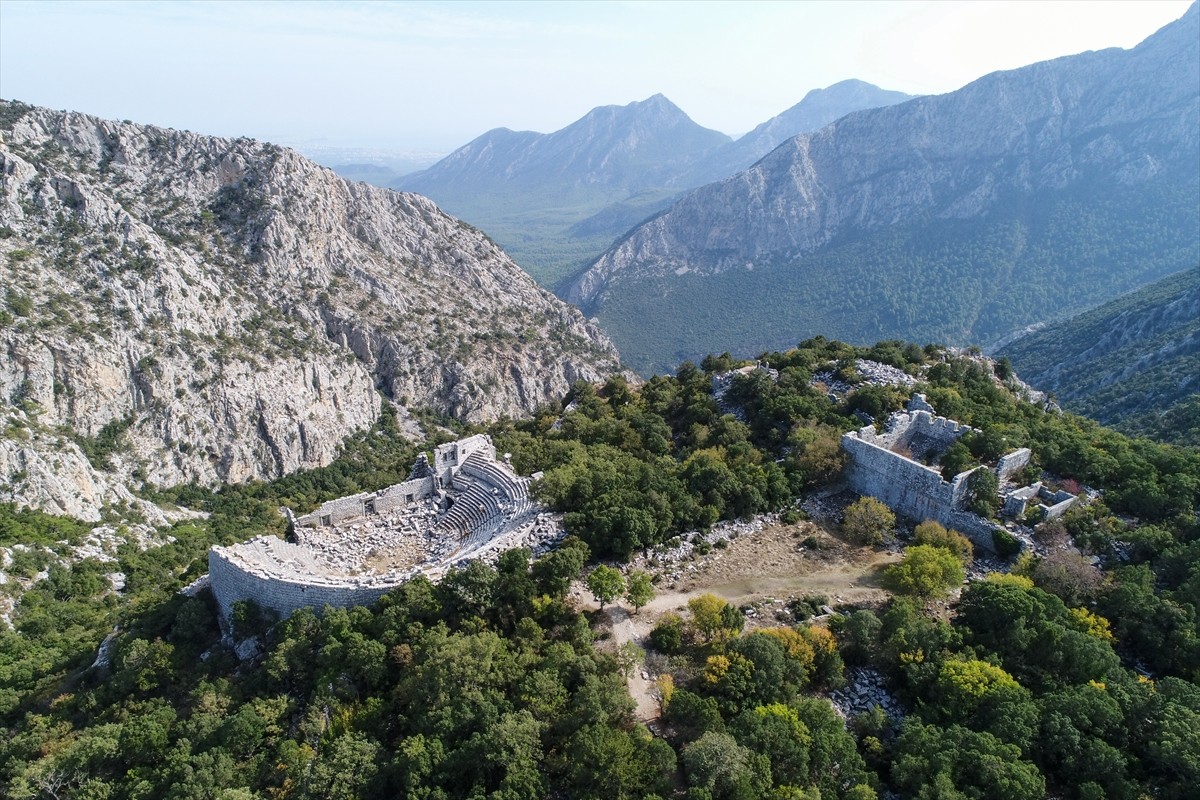
Termessos — Toroslar'ın fethedilemeyen kenti
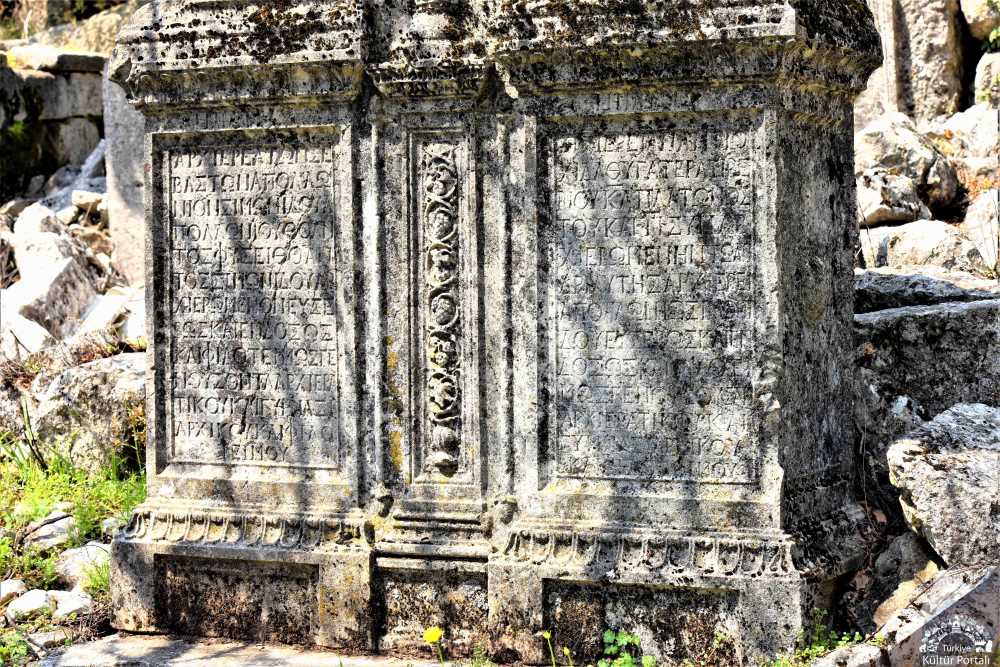
 Termessos'un epigrafik araştırma tarihi, Lanckoroński'nin Städte Pamphyliens und Pisidiens (1892) adlı çalışmasındaki Termessos bölümüyle başlar; G. Cousin'in 1899 tarihli Inscriptions de Termessos makalesi bu ilk çabaları tamamlar. Alanın temel başvuru kaynağı ise Rudolf Heberdey'in derlediği Tituli Asiae Minoris (TAM) III'tür (1941). Onurlandırma kararnameleri, kamu yazışmaları, kült adakları ve mezar yazıtlarından oluşan bu külliyat 944 yazıt kaydı içermektedir. TAM III'ü Bülent İplikçioğlu ve ekibinin dört ciltlik Epigraphische Forschungen in Termessos serisi (1991–2007) izlemiştir. Prof. Dr. A. Vedat Çelgin, Prof. Dr. Murat Arslan, Prof. Dr. Ferit Baz, Doç. Dr. Emre Erten, Prof. Dr. Nihal Tüner Önen ve Prof. Dr. Hüseyin Sami Öztürk'ün katkılarıyla yeni yazıt yayınları günümüzde de sürmektedir. Bu yayınlarla birlikte yayımlanmış yazıt sayısı yaklaşık 1.300 civarına ulaşmıştır. Böylece Termessos, Anadolu'nun en iyi belgelenmiş epigrafik merkezlerinden biri hâline gelmiştir. Buna karşın, bu zengin malzemenin kent içindeki mekânsal dağılımı ve özgün bağlamları bugüne kadar sistematik biçimde belgelenmemiştir. TEP, yazıtları ilk kez metinleriyle birlikte mekânsal bağlamları içinde değerlendirerek Termessos'un epigrafik topografyasını ortaya koymayı hedeflemektedir.
Neden Termessos?
Teknoloji ve Yöntem
Web Tabanlı Epigrafik Veritabanı ve CBS Altyapısı — Termessos'un yayımlanmış tüm yazıt korpusu coğrafi bilgi sistemleri (CBS) destekli ilişkisel bir veri tabanına işlenmektedir. Tarafımızca geliştirilen bu dijital korpus sistemi; yazıt tipine, dönemine, içeriğine ve mekânsal konumuna göre çapraz sorgulamaya olanak tanımakta, epigrafik yoğunluk haritaları ve mekânsal örüntü analizleri üretilmesine imkân vermektedir.
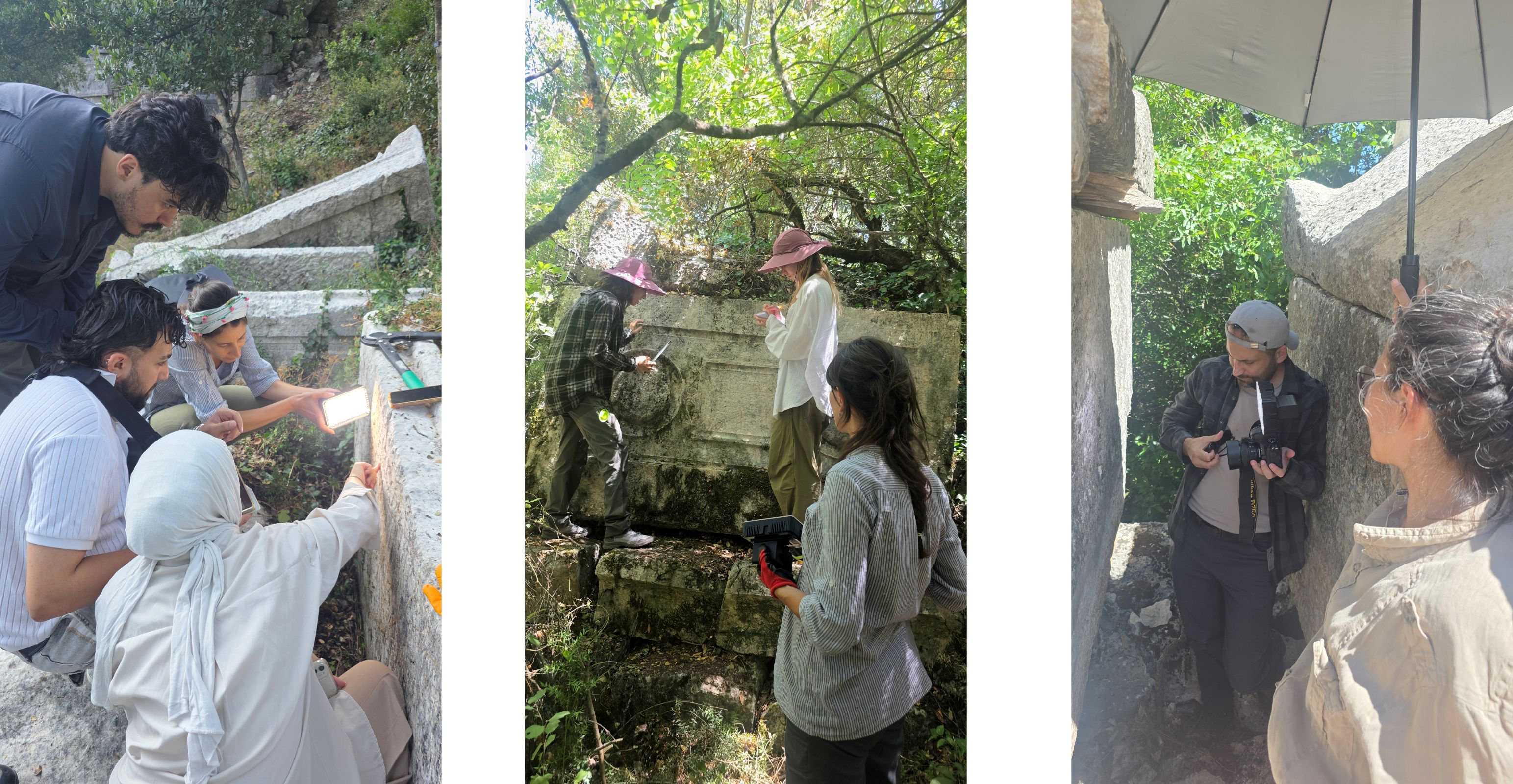
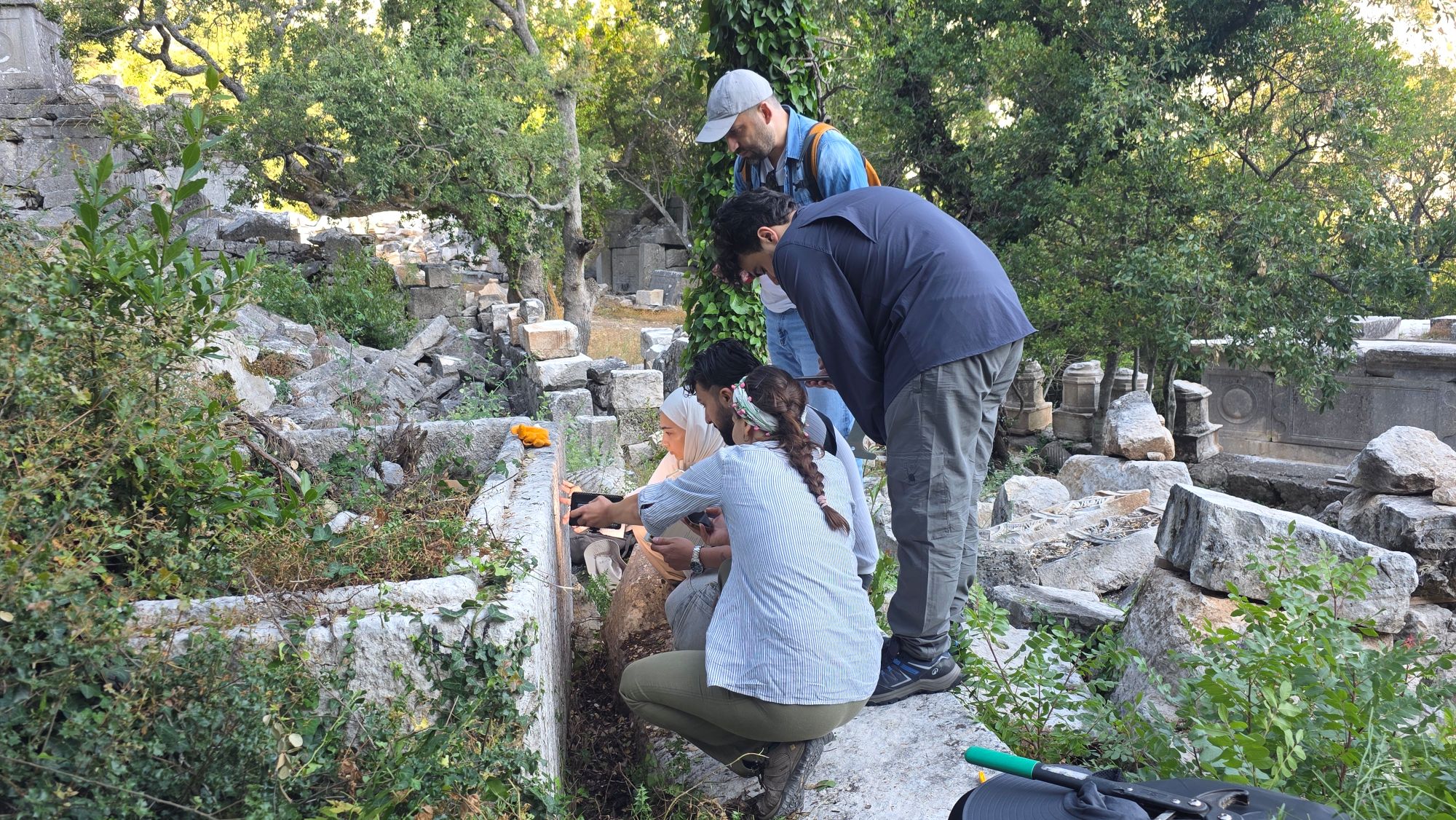
Mobil Uygulama: Epi-Field — Termessos'ta internet erişimi bulunmadığından bütünüyle çevrimdışı (offline) çalışacak biçimde tasarlanan saha uygulaması Epi-Field, yayımlanmış yazıt korpusunun tamamını araştırmacının cebine taşımaktadır. Ekip üyeleri arazide yazıtları numara, metin ya da anahtar kelime üzerinden pratik ve ayrıntılı biçimde sorgulayabilmekte; tespit edilen yazıtları işaretleyerek listeden düşürmektedir. Böylelikle hangi yazıtların bulunduğu, hangilerinin halen arandığı her an görülebilmekte ve saha çalışması ölçülebilir biçimde hızlanmaktadır.
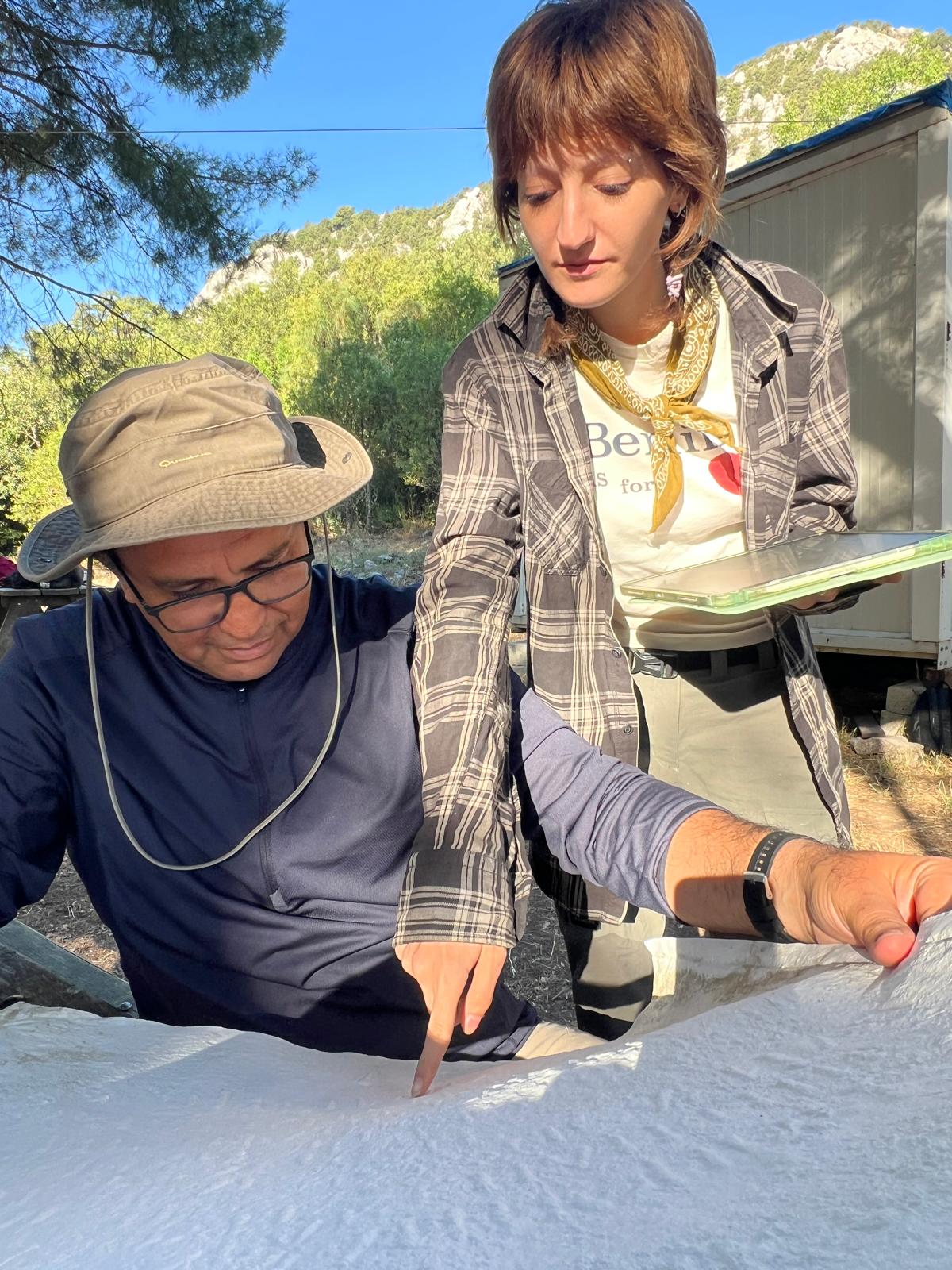
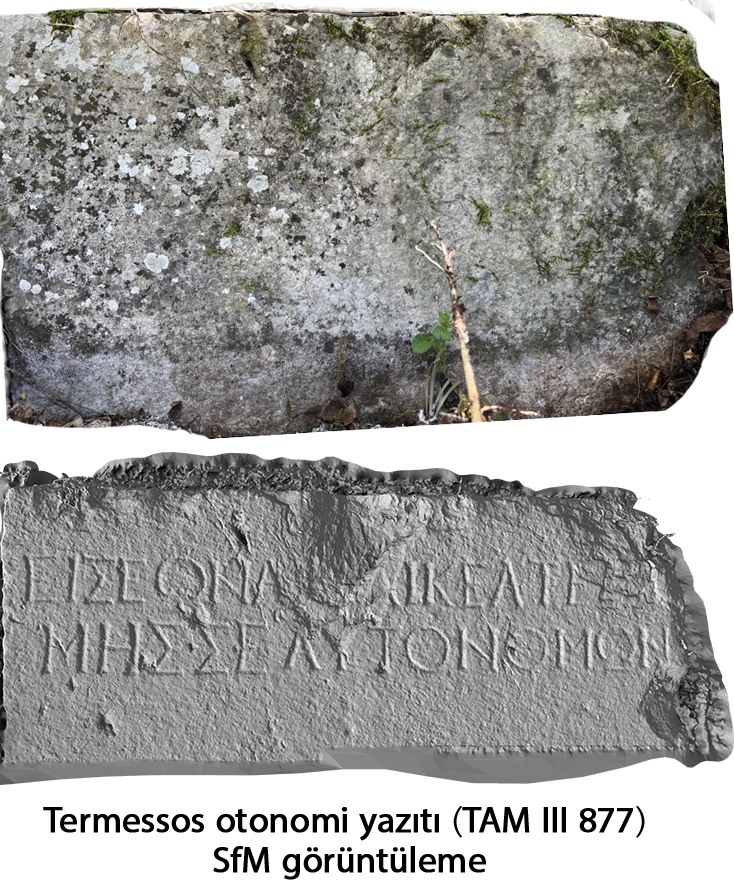
Dijital Belgeleme Çalışmaları — Proje dijital sorumlusu Dr. Aykan AKÇAY, Structure from Motion (SfM) başta olmak üzere çeşitli sayısal belgeleme ve görüntüleme metotlarını uygulayarak özellikle aşınmış, okunması güç yazıtların sayısal modellerini oluşturmakta; metnin çok daha güvenilir biçimde okunup yorumlanmasını sağlamaktadır. Saha çalışmalarında transkripsiyonu yapılamayan, tartışmalı okumaların yeniden değerlendirilmesine ve önceki edisyonların kontrol edilmesine olanak tanımakta; üretilen modeller aynı zamanda yazıtların güncel korunma durumunun kalıcı dijital arşivini oluşturmaktadır.

Çevrimiçi Çeviri Platformu: Epi-Desk — Sahada tespit edilen yazıtlar, Epi-Desk isimli web tabanlı bir platform üzerinden öğrencilere çeviri görevi olarak açılmakta; her yazıtın künyesi, fotoğrafı ve Hellence transkripsiyonu tek ekranda sunulmaktadır. Öğrenciler Türkçe ve İngilizce çevirileri kendi cihazlarından girmekte, tamamlanan çeviriler editörler tarafından değerlendirilip düzeltilmekte, puanlanarak onaylanmaktadır. Öğrencilerin ve editörlerin metinde yaptığı her değişiklik kelime düzeyinde kayıt altına alınmakta, projenin ilerleyişi, yoklama listesi, öğrenci anketleri ve katılımcı katkıları gerçek zamanlı olarak izlenmektedir.
Eğitim
Sahada eğitim farklıdır, deneyim fark yaratır.
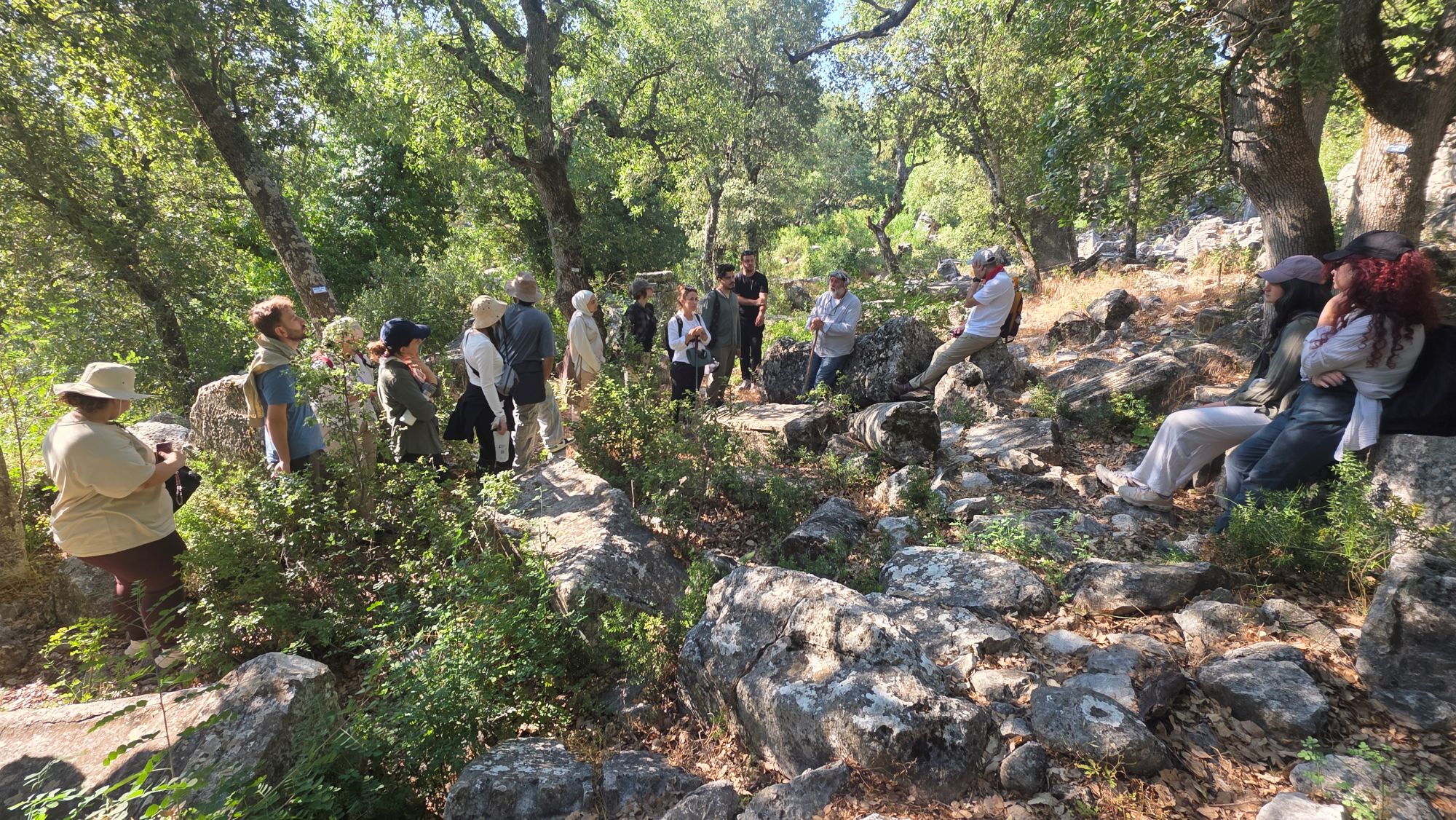
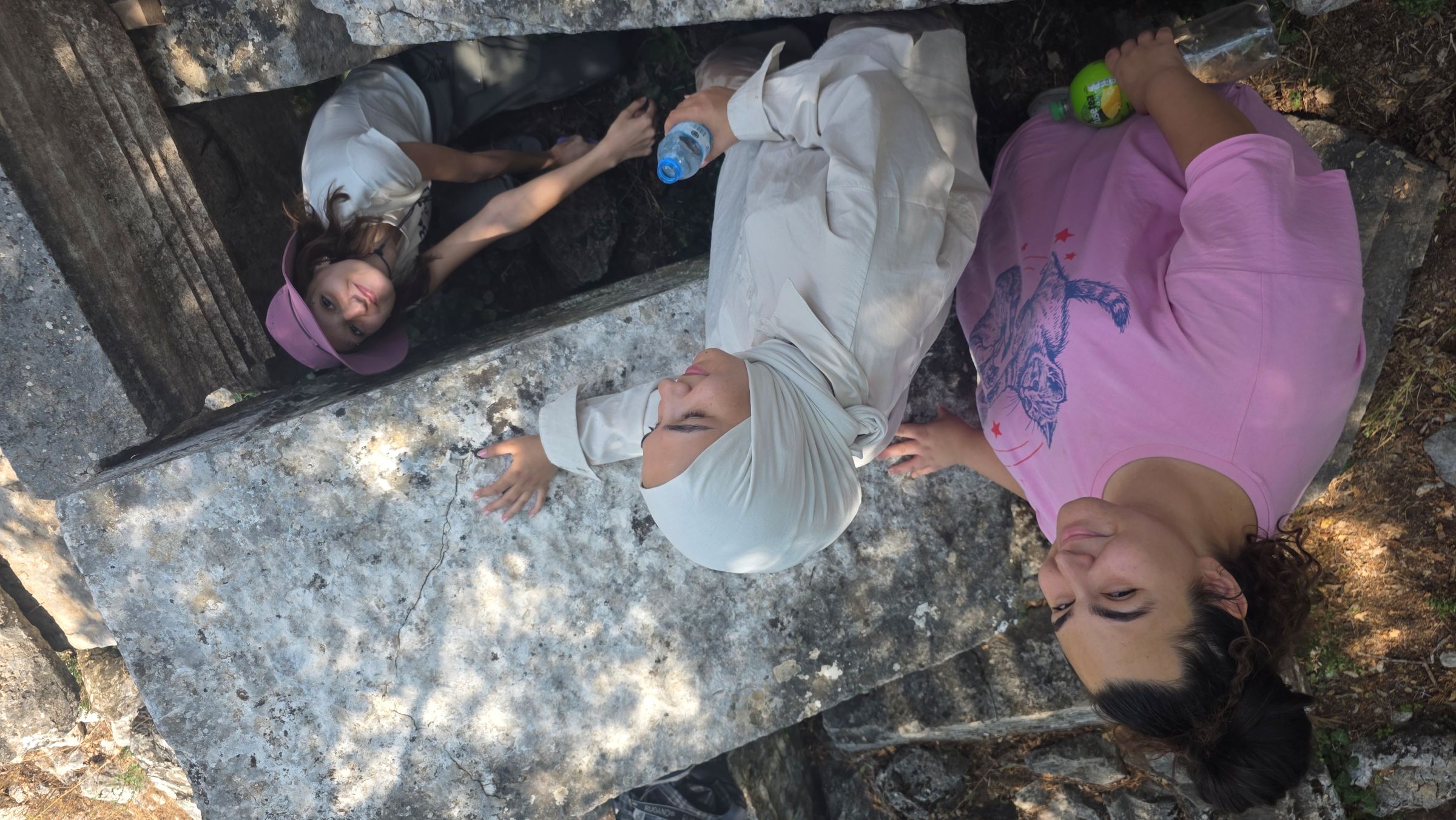
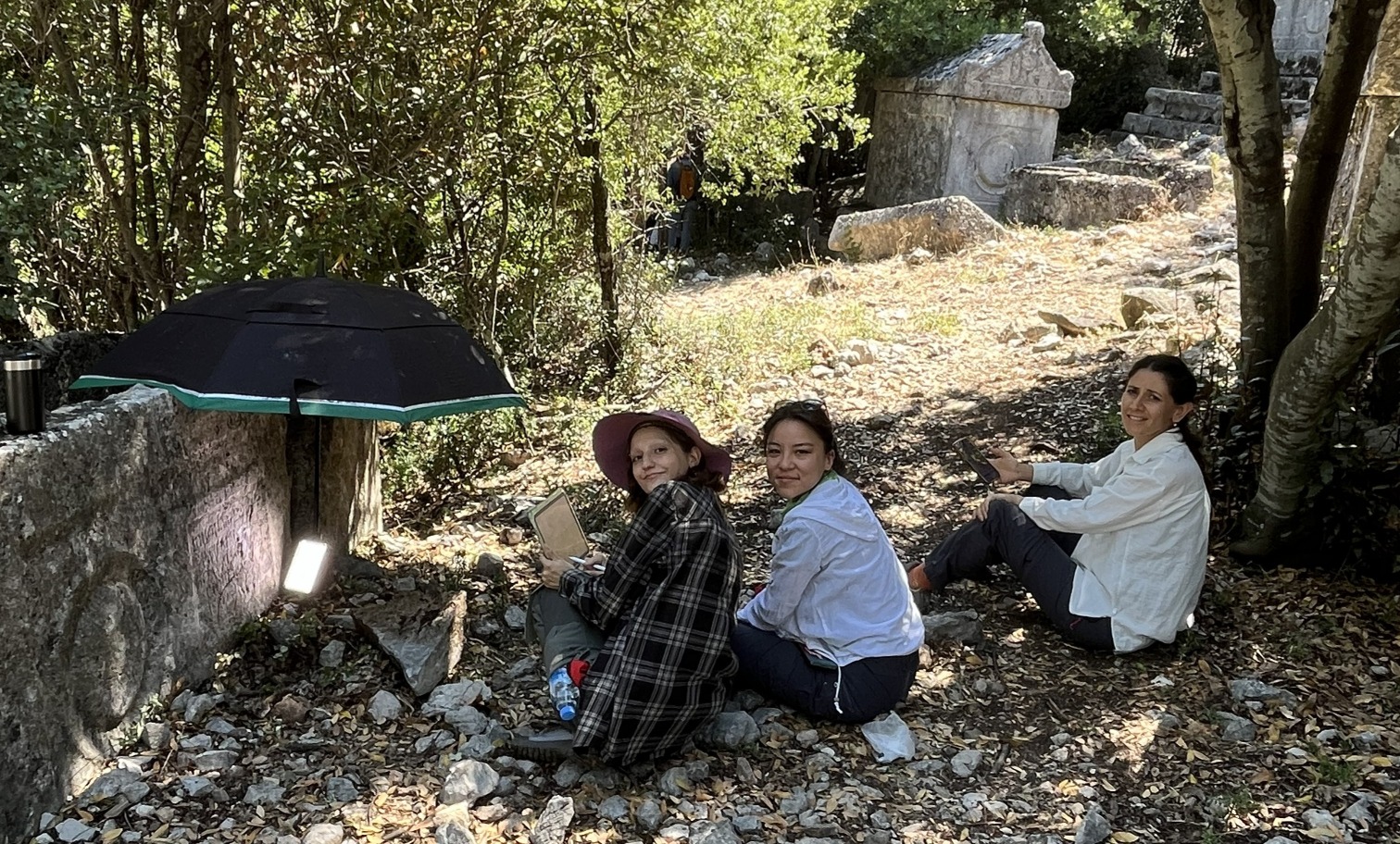
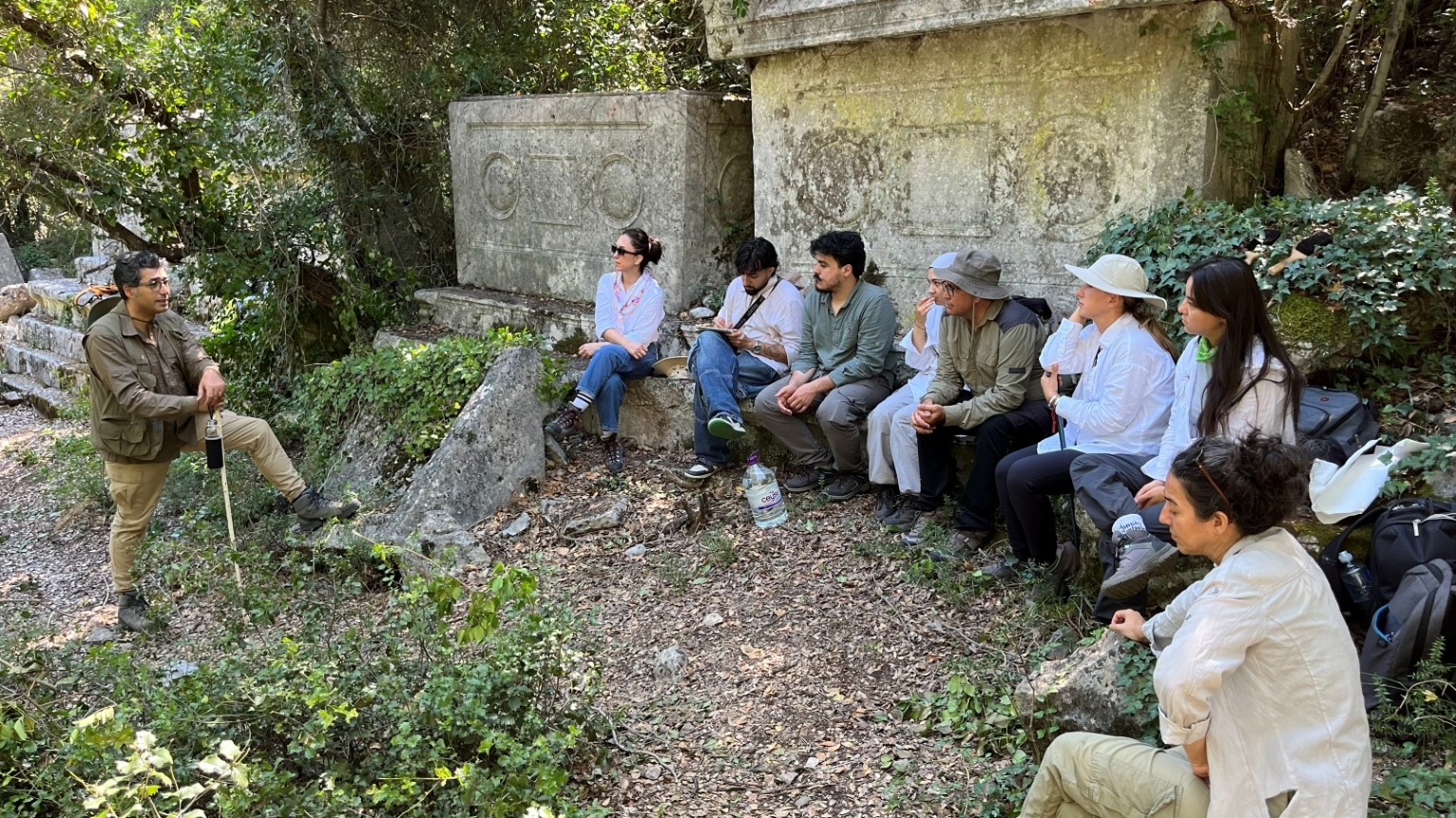
TEP, lisans ve lisansüstü öğrencilere epigrafik araştırmanın tüm boyutlarını canlı biçimde deneyimleme fırsatı sunmaktadır. Saha çalışmaları süresince düzenlenen yerinde dersler aracılığıyla öğrenciler; epigrafik yöntem, Termessos tarihi ve yazıtbilimin temel sorunlarına ilişkin uzman sunumlarına katılmaktadır.
Çevrimiçi çeviri platformu üzerinden yürütülen dil çalışmaları ise öğrencilerin yalnızca arazi deneyimi değil, aynı zamanda antik Yunanca okuma ve çeviri becerisi kazanmalarını sağlamaktadır. Editör denetimindeki bu sistem, akademik standartta bir öğrenme ortamı oluşturmaktadır.
TEP, öğrencileri salt gözlemci değil, araştırmanın etkin katılımcısı olarak konumlandırmaktadır. Yazıt tespiti, koordinat kaydı, fotoğraflama, sayısal belgeleme ve çeviri; birbirini izleyen ve birbirini tamamlayan aşamalar olarak deneyimlenmektedir. Yayımlanmış yazıtların büyük çoğunluğunun orijinal bağlamını koruduğu Termessos, bu bütüncül eğitim için eşsiz bir laboratuvar işlevi görmektedir. Öğrenciler, aynı yazıtı önce arazide yerinde bulup belgeledikten sonra masaüstünde çevirip yorumlamakta; böylece epigrafik araştırmanın tüm döngüsünü kavramaktadır. Böylelikle bu süreçten yalnızca deneyimle değil, saha yetkinliği, dil becerisi ve araştırmacı kimliğiyle ayrılmaktadır. TEP'in sunduğu bu çok katmanlı kazanım öğrenciler için bir değer taşımaktadır.
2026 — İlk Sezon: E1 Nekropolü
TEP'in ilk saha kampanyası 8–31 Temmuz 2026 tarihleri arasında Termessos E1 Nekropolü'nde yürütülmektedir. Bu bölge, kentin en yoğun yazıt barındıran nekropol alanlarından biri olup projenin mekânsal veri tabanını oluşturmak ve yöntemini sınamak için elverişli bir başlangıç noktası sunmaktadır.
|
~1.300
Termessos ve teritoryumundaki tahmini yazıt sayısı
|
163
E1 Nekropolü'nde yayımlanmış yazıt
|
100+
2026 sezonu tespit sayısı
|
16
Ekip üyesi
|
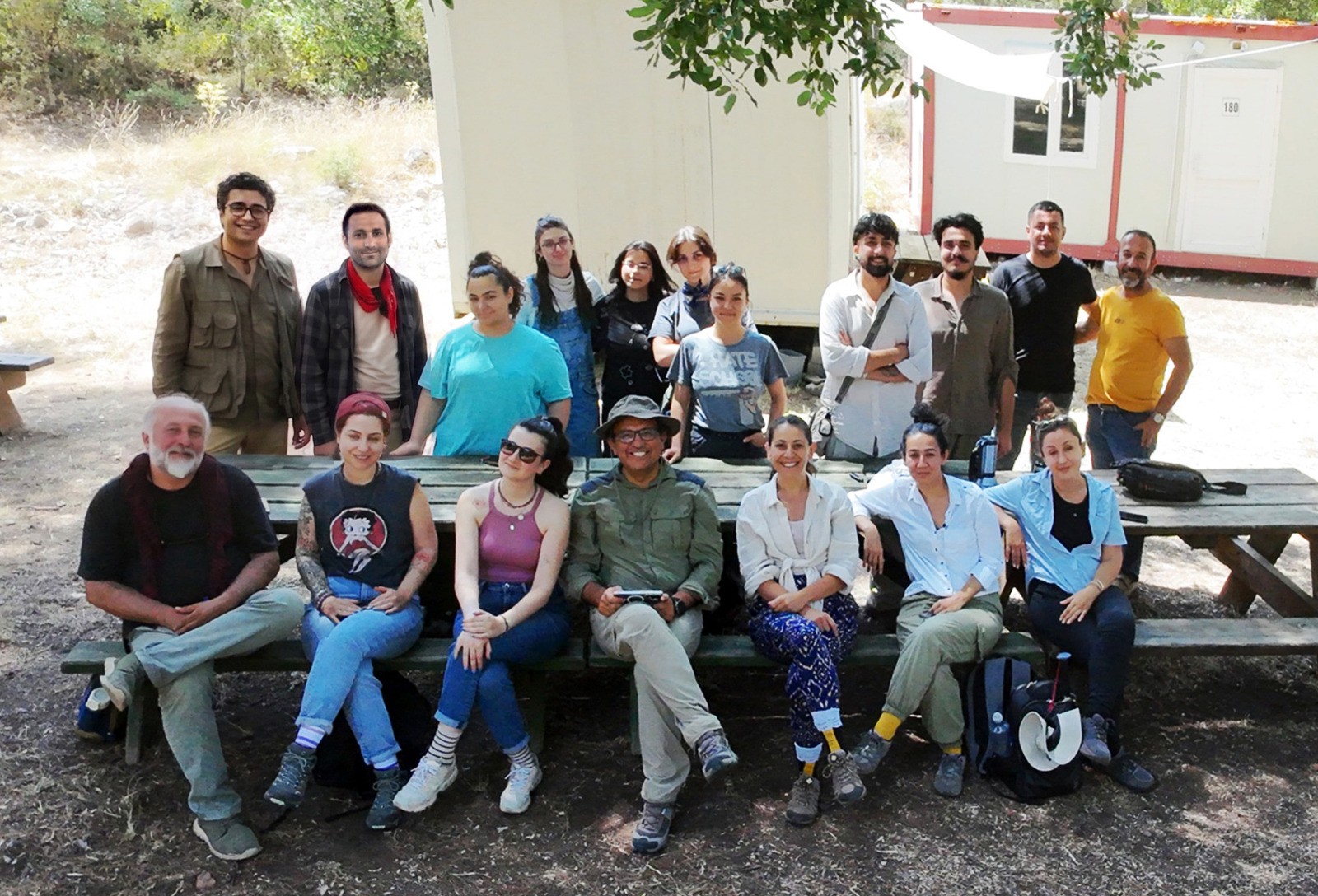
Araştırma Ekibi
KOORDİNASYON
|
Prof. Dr. Mustafa KOÇAK Antalya Bilim Üniversitesi Termessos Kazı Başkanı |
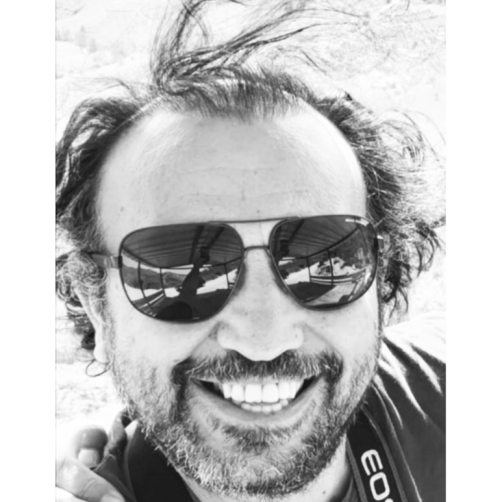
Prof. Dr. Fatih ONUR Akdeniz Üniversitesi TEP Yürütücüsü |
|
Prof. Dr. Erman GÖREN İstanbul Üniversitesi |
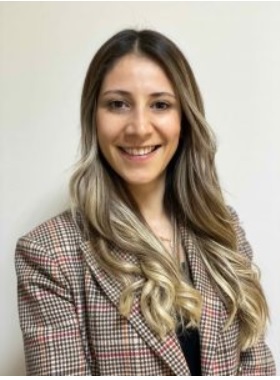
Arş. Gör. Dr. Fatma AVCU Akdeniz Üniversitesi |
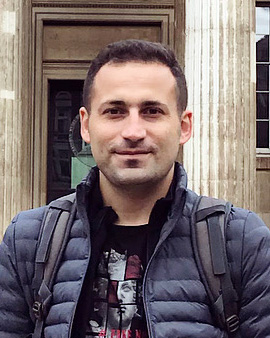
Arş. Gör. Dr. Aykan AKÇAY Akdeniz Üniversitesi |

|
Öğr. Gör. Dr. Büşra KARABULUT Alanya Alaaddin Keykubat Üniversitesi |
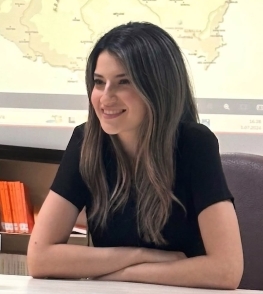
Dr. Yadigar DOĞAN Akdeniz Üniversitesi |
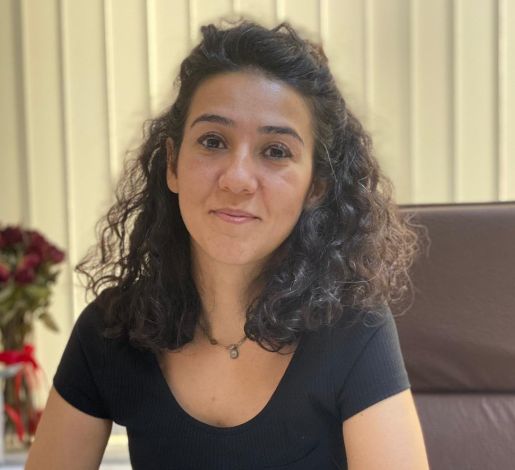
ÖĞRENCİLER
|
Berfu TÜZÜN Akdeniz Üniversitesi, Doktora Katılım Sezonları: 2026 |
Gül Gizem BAYKAL Akdeniz Üniversitesi, Doktora Katılım Sezonları: 2026 |
Hatice BAYRAKDAR Akdeniz Üniversitesi, Lisans Mezunu Katılım Sezonları: 2026 |
|
Ece KARAOĞLAN Akdeniz Üniversitesi, Lisans Mezunu Katılım Sezonları: 2026 |
Tenzila ABANOZ Akdeniz Üniversitesi, Lisans Mezunu Katılım Sezonları: 2026 |
İsmail Cevher ŞAYLAN İstanbul Üniversitesi, Lisans Katılım Sezonları: 2026 |
|
Gülüzar ÜLGER Akdeniz Üniversitesi, Lisans Katılım Sezonları: 2026 |
Asude ŞAKAR Akdeniz Üniversitesi, Lisans Katılım Sezonları: 2026 |
Ege AYDIN Akdeniz Üniversitesi, Lisans Katılım Sezonları: 2026 |
|
Ezgi ÖNAL Akdeniz Üniversitesi, Lisans Katılım Sezonları: 2026 |
||

Son güncelleme : 11.08.2026 21:50:18