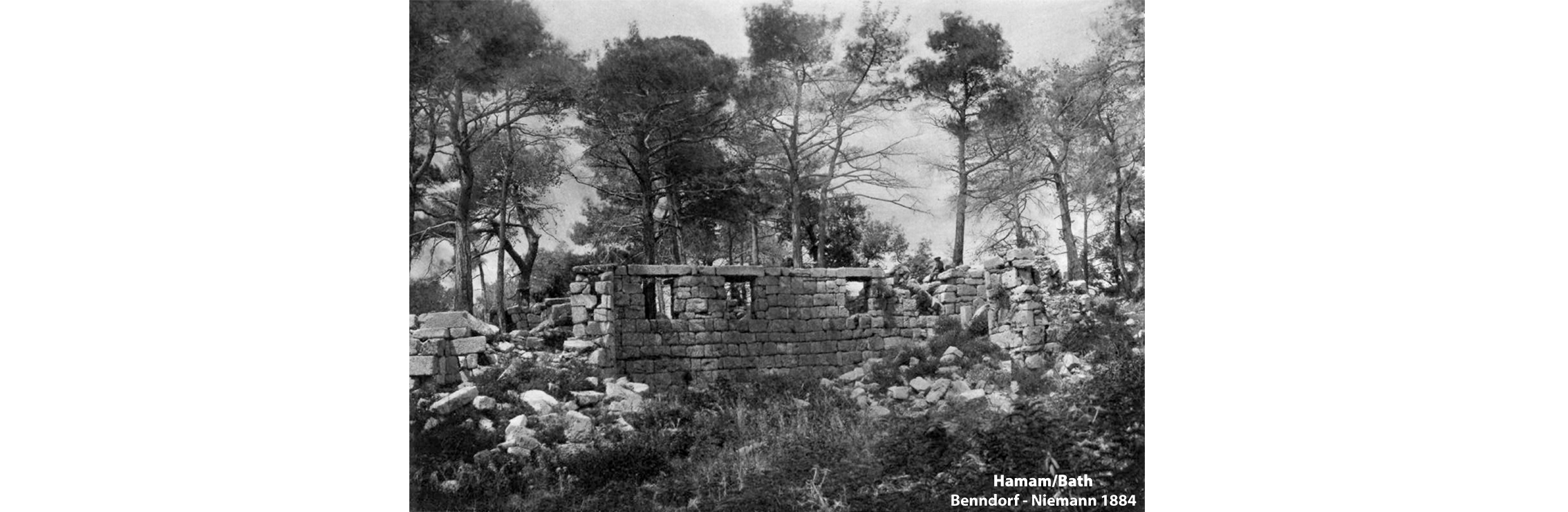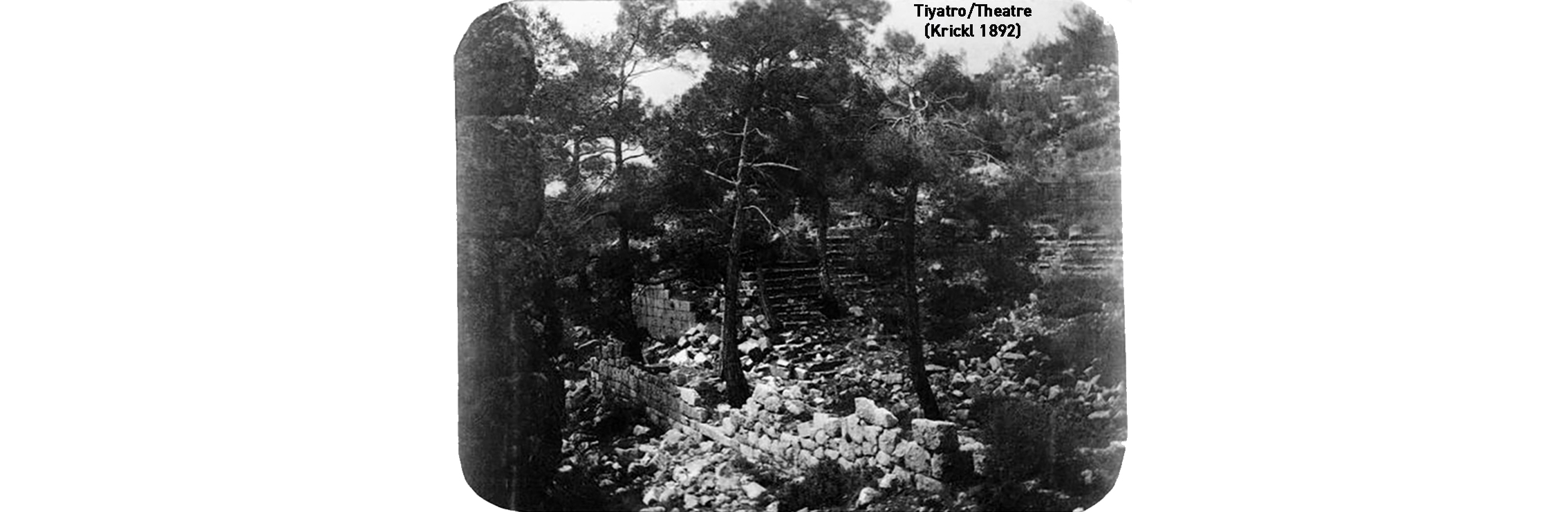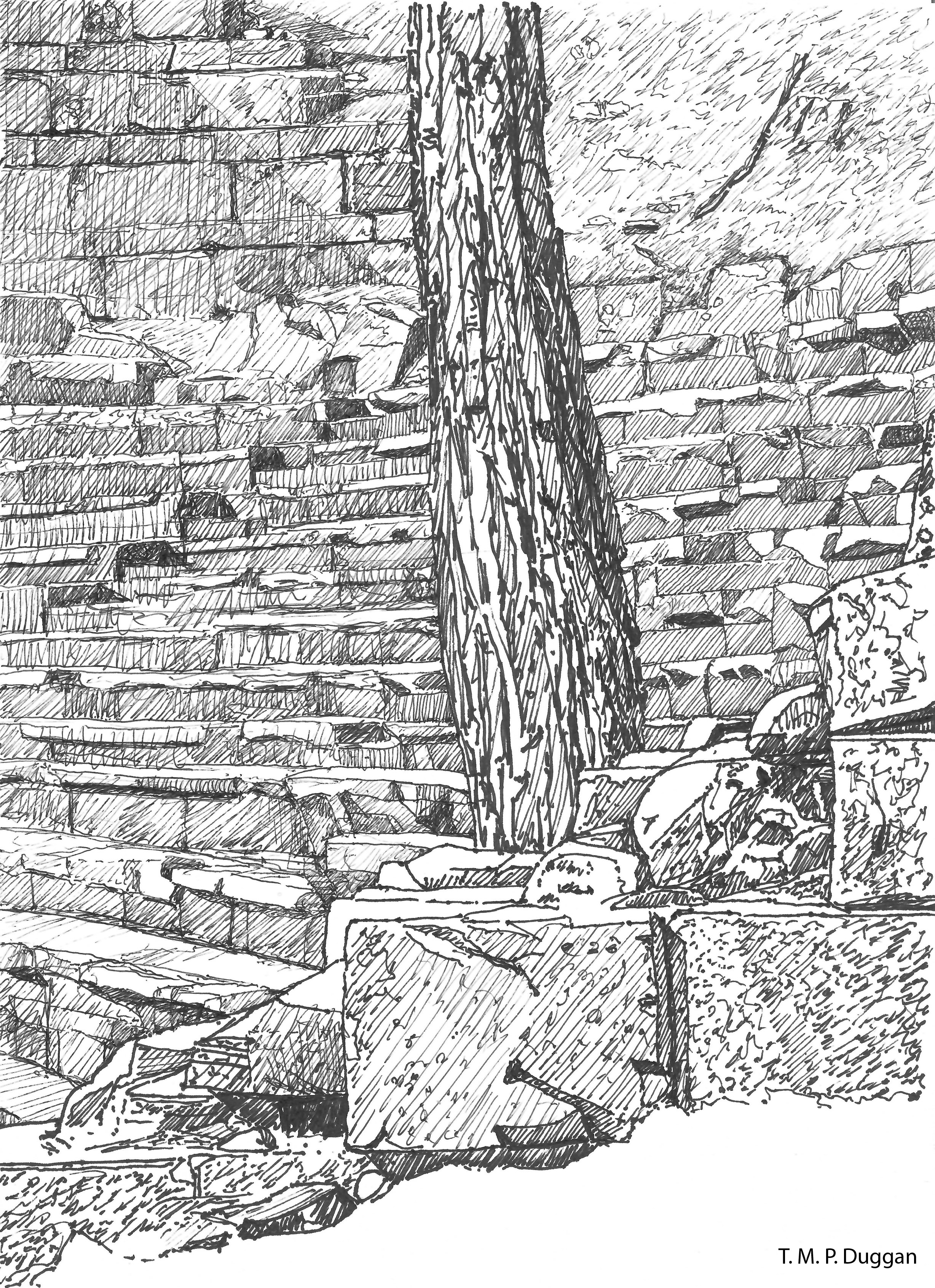
Kadyanda was a mountain town in northern Lycia, covering about 15 hectares of habitable land on a long hill with steep and rocky slopes, between 850 and 950 metres above sea level. The city's development was closely linked to the fertile Yeşilüzümlü plain to the north-west, which is still cultivated today, and its proximity to the port of Telmessos and the Xanthos River, which provided access to trade routes. Although the hill of the settlement is largely covered with pine trees, the flatter areas of the hill contain the remains of a well-preserved theatre, agora, and gymnasium. Kadyanda is surrounded by a city wall, but the exact extent of the wall and the location of the gates remain uncertain. Unusually for Lycian dynastic centres, no specific acropolis has been identified.
Despite its prominence, Kadyanda has been relatively underexplored. It was undoubtedly one of the major urban centres of Lycia, yet no thorough modern survey has been conducted. Archaeological, numismatic, and epigraphic evidence points to its importance from the late 5th century BC to the 3rd century AD. Initially a Lycian dynastic centre (known as Khadawati in Lycian inscriptions), Kadyanda transformed into a polis and joined the Lycian League in the 2nd century BC. Coins of the ruler Hntruma suggest that Kadyanda held considerable power in the late 5th century BC. After briefly falling under the influence of the Xanthos dynasty, the city re-established itself as an independent polis in the Hellenistic period following Alexander the Great's campaign.
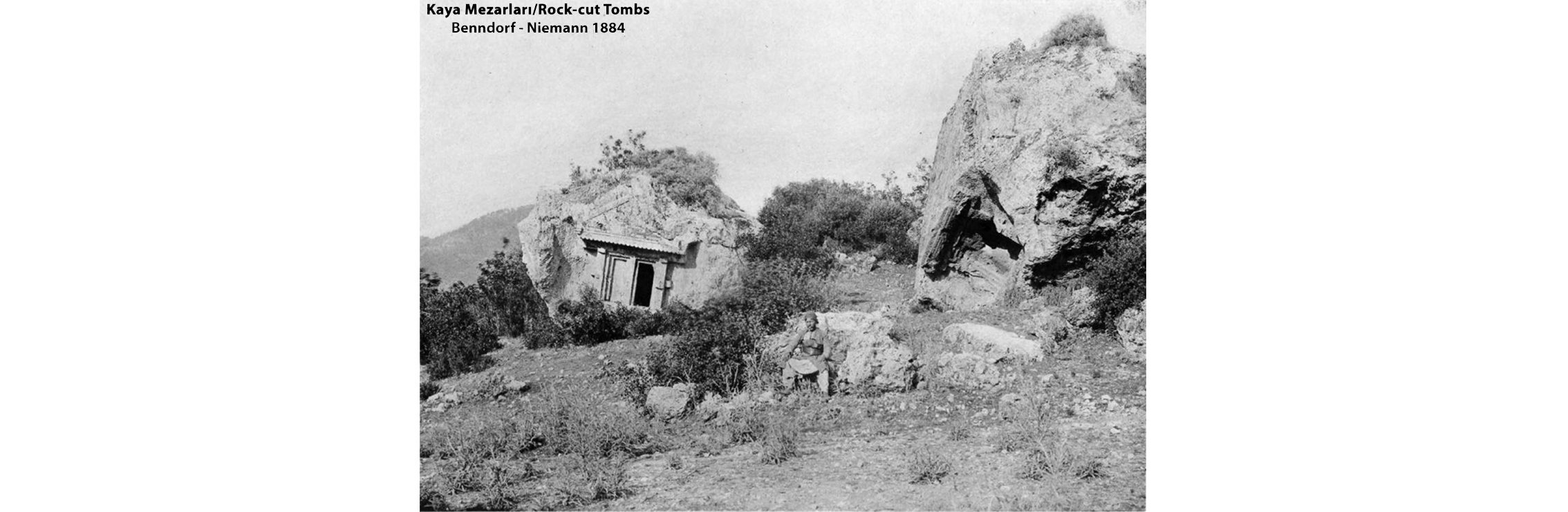
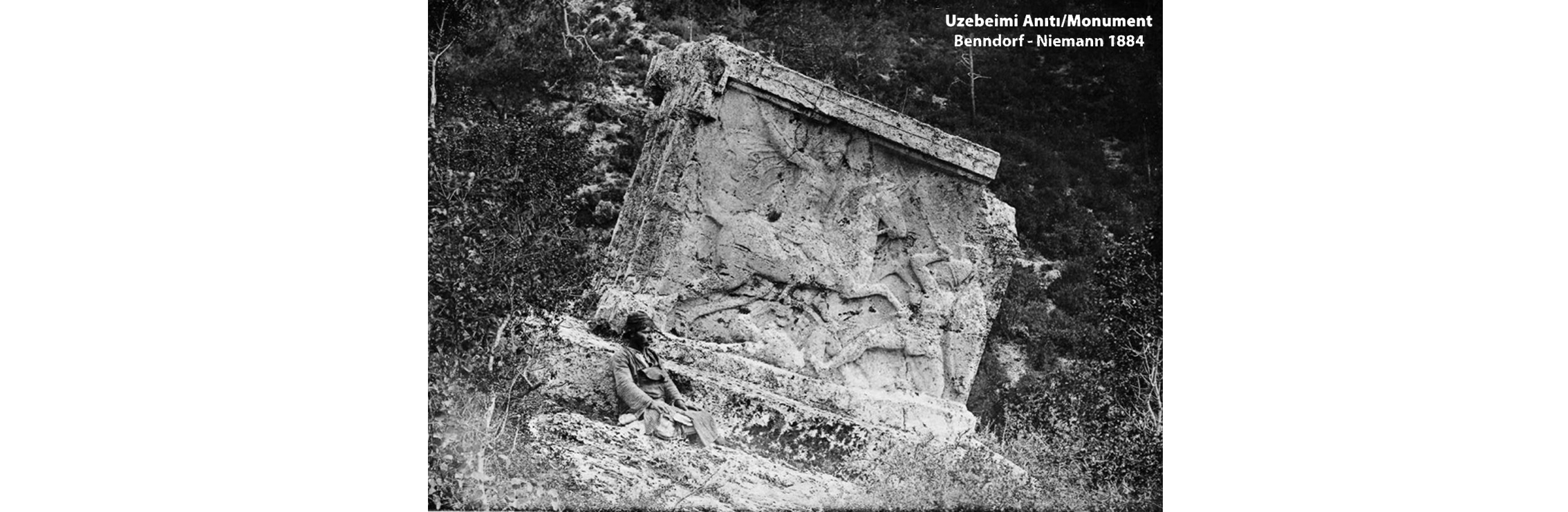
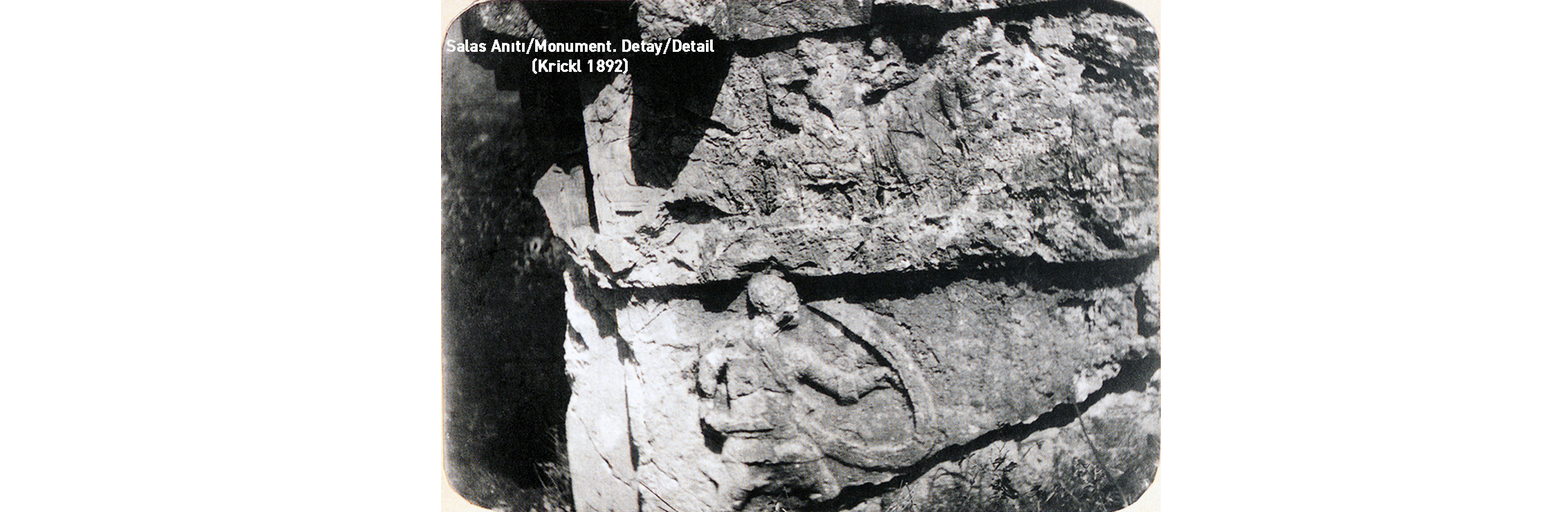
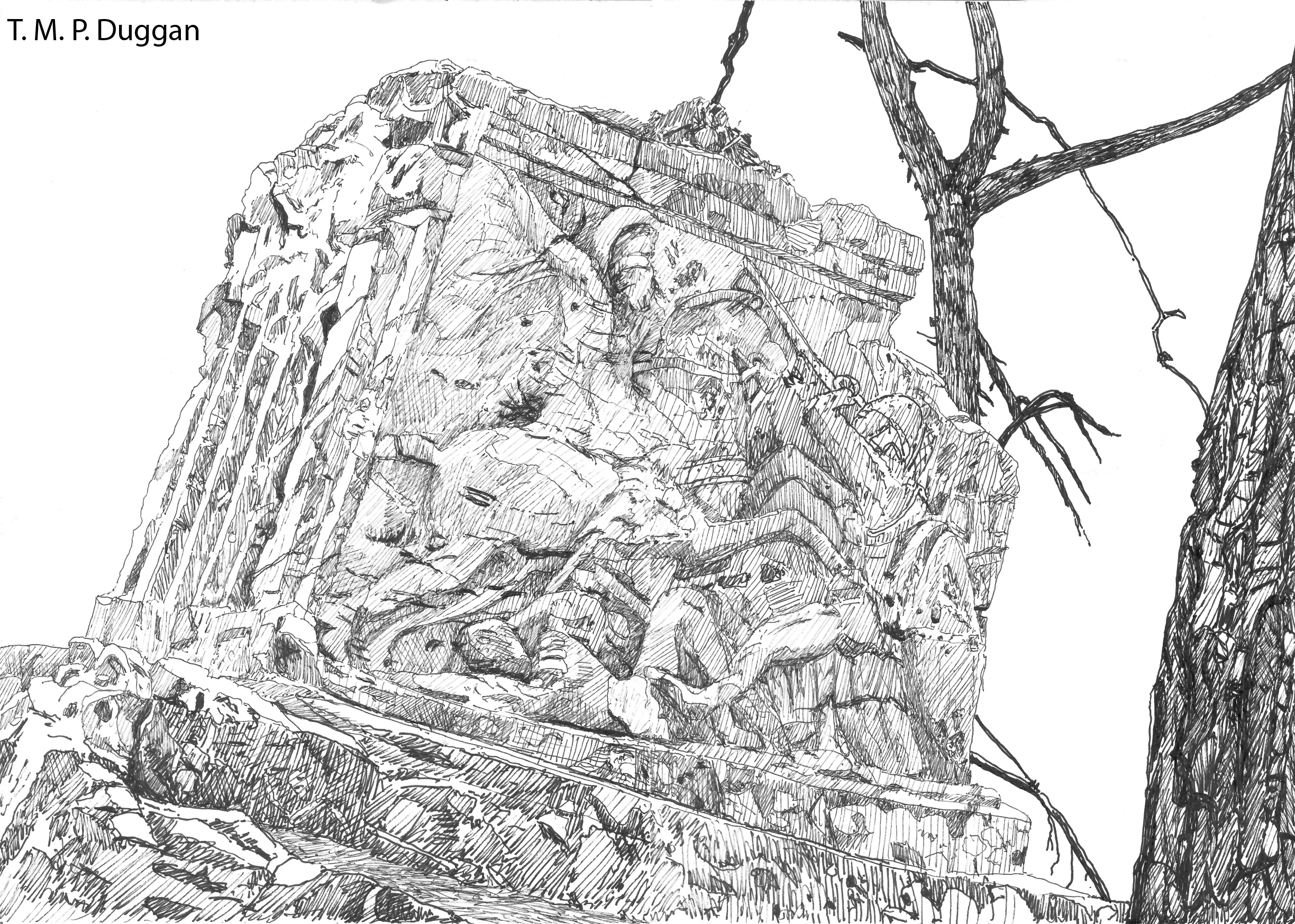
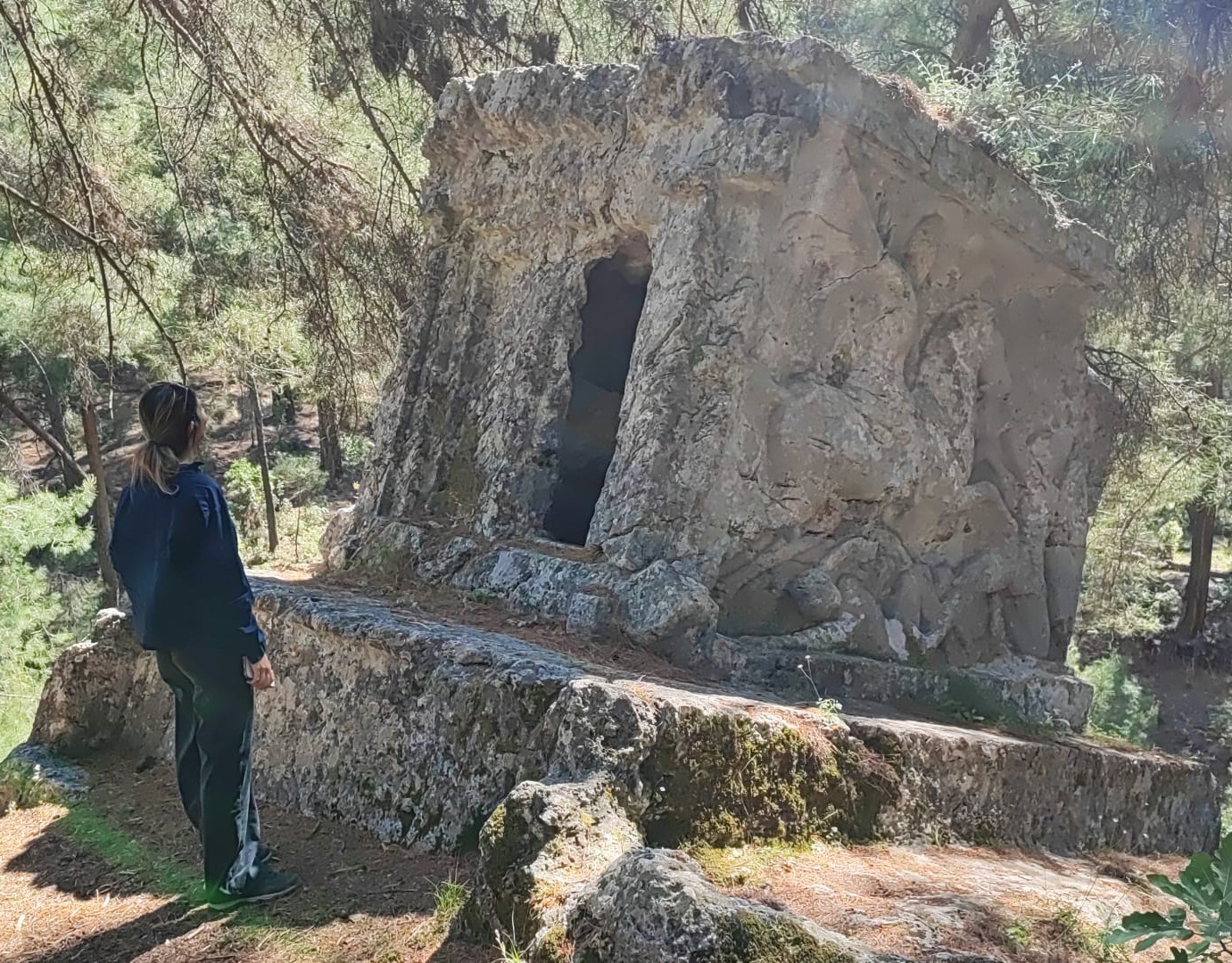
Most of the archaeological evidence from the Classical period consists of tombs, particularly elaborate ones in the necropoleis to the north and east of the city. These include house tombs of local elites such as Uzebemi and Salas, and several rock tombs designed in the style of Lycian wooden houses. The inscribed pillar tomb on the plain is an important marker of Kadyanda's dynastic rule. The number and grandeur of these tombs indicate that a wealthy aristocracy controlled the Yeşilüzümlü plain during the city's peak.
Kadyanda's prominence continued into the Roman period, as evidenced by numerous inscriptions relating to cults, contests, and donations from local and foreign citizens, reflecting the city's prosperity. Public buildings from this period — temples, baths, and the theatre — highlight its significance compared to neighbouring settlements such as Symbra, Boubon, Araxa, and Telmessos in the Xanthos valley. Kadyanda's position within the Lycian League is not fully understood, however, as there remain uncertainties about the city's role and influence within this political alliance.
The Byzantine period of Kadyanda is poorly documented. The city's defences, probably dating from the Hellenistic period, were reinforced with mortared walls, likely in response to Gothic raids from the sea in the 4th century AD. There is little architectural evidence from this period, no church buildings or Christian remains have been found, and Kadyanda does not appear on any Byzantine bishop list. This situation is generally unusual.
Overall, Kadyanda remains poorly understood, with many key questions unanswered — including its transformation from a Lycian dynastic settlement to a polis, the development of Hellenistic and Roman public buildings, and its decline in the Byzantine period. Despite its historical importance, Kadyanda has not been thoroughly investigated, and its settlement plan and various construction phases remain unclear.